The plastics and packaging industry—especially the production of plastic bags (nylex)—is one of the pillars of the modern economy. From grocery stores to industrial plants, everyone benefits from these practical products in some way. But have you ever wondered what makes a nylex bag “grade A”? The final product quality is directly tied to the quality of the raw materials used in manufacturing. Choosing the wrong raw materials not only lowers product quality, it can also increase production costs and damage your brand’s reputation. In this article, we take a deep and comprehensive look at the key and essential raw materials for producing grade A nylex to help you choose the best options.
Producing nylex: a journey from raw material to finished product
The production of nylex is a complex yet precise industrial process that starts with the correct selection of raw materials. These materials are the backbone of every plastic product and determine its final physical and chemical properties. Understanding raw materials is the first step toward achieving the desired quality and customer satisfaction.
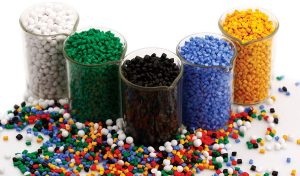
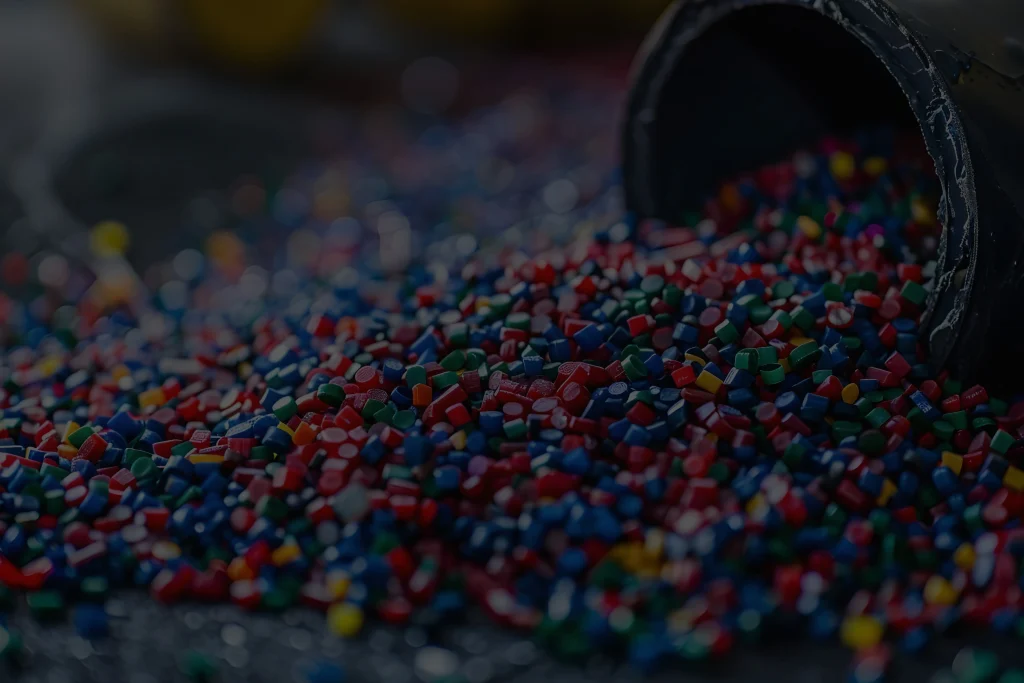
Polyethylene is the undisputed king of the plastics industry and the primary raw material for all types of nylex. This thermoplastic polymer, obtained by polymerizing ethylene, comes in several variants, each imparting unique properties to the final product. In nylex production, two main types of polyethylene are commonly used:
Thanks to its linear structure with short-chain branching, LLDPE offers very high tensile strength, impact strength, and tear resistance. These features make LLDPE an ideal choice for plastic bags that must carry heavy loads or withstand harsh environmental conditions. Shopping bags, heavy-duty trash bags, and industrial bags are often made with LLDPE.
LDPE has a structure with longer branching and lower density. This gives it greater flexibility and clarity compared to LLDPE. LDPE has good moisture resistance and, due to its strong printability, is widely used for food packaging bags, shrink bags, and bags requiring a glossy, attractive appearance.
With its more regular and densely packed polymer chains, HDPE has higher strength, stiffness, and chemical resistance than LDPE and LLDPE. It appears more matte and makes a crinkly sound. HDPE offers good heat and chemical resistance and is used for bread bags, produce bags, industrial bags, and some plastic containers.
To improve raw material properties and achieve specific features in the final product, various additives are used in nylex production. These additives play a vital role in enhancing nylex quality and performance.
Masterbatches are concentrates of pigments or other additives compounded at high concentration into a polymer carrier (usually polyethylene). Using masterbatch is an efficient and economical way to color nylex or add special properties such as UV resistance, antistatic performance, or improved physical properties. Selecting a high-quality masterbatch directly affects color uniformity and the final product quality.
In some applications—especially packaging electronic components—static buildup can be very damaging. Antistatic additives reduce the polymer’s surface resistance, dissipating electrical charge and preventing sparks or dust attraction.
Plastic bags exposed to sunlight may degrade and become brittle over time. UV stabilizers absorb or scatter harmful UV rays, extending the service life of bags and preventing discoloration or loss of strength.
These additives reduce the surface friction of nylex, which makes bag opening easier, facilitates processing (such as traveling through rollers), and increases surface gloss.
During production and use, polymers may undergo oxidation, leading to chain degradation and loss of physical properties. Antioxidants neutralize free radicals, preventing this damaging process and helping preserve product quality.
Key considerations when selecting raw materials
– Purity and quality:
Ensuring raw material purity and the absence of contaminants is the first and most important step. Impurities can lower strength, cause color specks, or disrupt processing.
– Technical specifications:
Each polyethylene grade has a datasheet detailing its physical and chemical properties (such as Melt Flow Index, density, tensile strength, etc.). Matching these specs to the final product’s needs is critical.
– Reliable supplier:
Working with reputable, well-known raw material suppliers ensures consistent, standard quality.
– Material compatibility:
When combining multiple polyethylene types or additives, ensure compatibility to avoid adverse reactions.
After selecting and sourcing quality raw materials, nylex is primarily produced via extrusion:
1) Blending: Polyethylene pellets and additives (if used) are mixed in precise ratios in a mixer.
2) Melting and extrusion: The blend enters the extruder, where it is melted under heat and pressure. The molten plastic is then forced through an annular die to form an initial plastic tube (film bubble).
3) Blowing and cooling: Compressed air is introduced into the tube to increase its diameter and reduce wall thickness. Simultaneously, the tube is cooled and solidified by airflow.
4) Haul-off and winding: The plastic tube is drawn by nip rollers, flattened into a double-layer web, and wound onto rolls.
5) Cutting and sealing: The film is then cut to the desired dimensions, and the edges are sealed (typically heat-sealed) to produce bags.
Raw material quality is decisive at every stage of this process. For example, the Melt Flow Index (MFI) of the raw material directly affects extrusion speed and film thickness uniformity.
– Food industry: Packaging bags for bread, vegetables, fruit, dairy, and meat where high hygiene and product freshness are required (often using LDPE and LLDPE).
– Retail and shopping centers: High-strength shopping bags for carrying various goods (usually LLDPE or blends with it).
– Manufacturing: Packaging for parts, industrial products, apparel, and textiles (various PE grades and specific additives depending on need).
– Hospitality and healthcare: Hospital and hotel trash bags requiring strength and tear resistance (often LLDPE).
Producing grade A nylex goes beyond mere manufacturing; it requires deep knowledge of raw materials and a clear understanding of how each component affects final product quality. Polyethylene (LLDPE, LDPE, HDPE) as the base material and various additives play a key role in determining the strength, flexibility, appearance, and durability of plastic bags. Choosing high-quality raw materials from trusted suppliers is an investment in your product quality and brand reputation. By understanding and applying these principles in production, you can deliver products of outstanding quality and achieve maximum customer satisfaction.