Introduction
In today’s fast-paced world, proper waste management is not only a hygienic necessity but also an environmental responsibility. Trash bags—simple yet vital tools—play a key role in preventing contamination, controlling odors, and making collection and disposal easier. But have you considered the wide variety of these products and the importance of choosing the right one? From thin household liners to heavy-duty industrial sacks and eco-friendly biodegradable bags, each type has unique features and uses. The wrong choice can lead to tears, leaks, and higher costs, while the right one is more sanitary, safer, and more economical. This article introduces the world of trash bags, outlines their types, and offers a comprehensive guide to choosing the best option for your needs.
What is a trash bag and why does it matter?
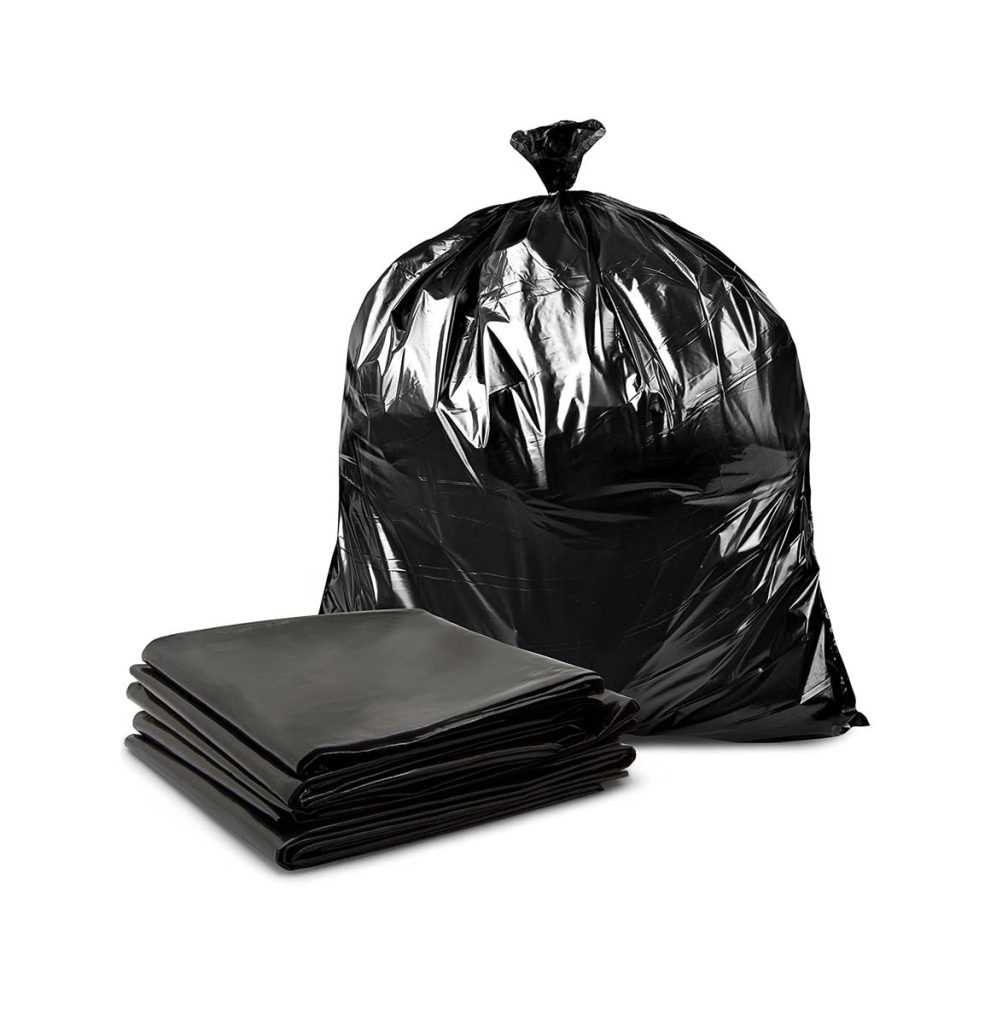
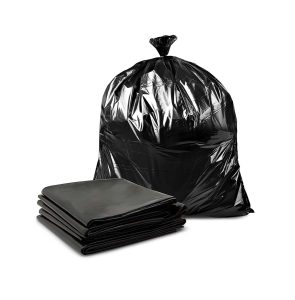
A trash bag is a flexible container designed to collect, store, and transport waste. Typically made from plastics like polyethylene, it acts as a barrier to prevent direct contact between people, the environment, and waste materials. Its importance includes:
- Public health: Contains leachate and stops the spread of contaminants, reducing disease transmission.
- Odor control: Some bags include odor absorbers or seal well to reduce unpleasant smells.
- Preventing pollution: Proper bagged waste avoids littering and preserves cleanliness.
- Ease of handling: Strong bags simplify collection and transport by people or machines.
- Waste separation: Color-coded bags enable source separation (wet, dry, recyclable) and speed up recycling.
Types of trash bags by material and use
Household trash bags
Standard plastic bags
- Material: Mainly LDPE or HDPE.
- Thickness: Thinner than industrial types but generally adequate for home use.
- Features: Affordable; multiple sizes and colors; some with drawstrings.
- Uses: Wet and dry household waste in kitchen and small bins.
- Notes: Not ideal for heavy or sharp waste.
Heavy-duty, tear-resistant bags
- Material: Higher-density PE (e.g., HDPE) or tougher blends.
- Thickness: Significantly thicker than standard bags.
- Features: High tear and puncture resistance; suitable for heavy, bulky, or sharp waste.
- Uses: Yard debris, light construction waste, or busy kitchens needing extra assurance.
Biodegradable and compostable bags
- Material: Biobased (e.g., corn starch, PLA) or degradable polymer blends.
- Features: Eco-friendly; certified compostable bags break down under specific conditions (e.g., industrial composting).
- Uses: For eco-conscious users; best for organics and approved composting.
- Notes: Often cost more and may be less durable in heat or for long storage.
Industrial and medical trash bags
Industrial trash bags
- Material: Very strong plastics, typically HDPE or multilayer films.
- Thickness: Very thick; resistant to tearing, punctures, and high loads.
- Features: Large sizes; very high load capacity; some chemical resistance.
- Uses: Factory, workshop, production waste; light construction, agricultural and industrial refuse.
Medical/hazardous waste bags
- Material: Durable; sometimes autoclavable for steam sterilization.
- Thickness: Leak-resistant and strong.
- Features: Usually yellow or red to indicate hazards; meet strict health and safety standards.
- Uses: Infectious and pathological waste, blood-contaminated materials, syringes, used dressings.
- Notes: Require special disposal; never mix with regular trash.
Office and hospitality bags
- Material: Similar to household liners but with a cleaner look and standard sizes.
- Features: Typically white/light colors; adequate for paper and light packaging.
- Uses: Office bins, meeting rooms, hotels, and public restrooms.
Specialized trash bags
Odor-control bags
- Features: Activated carbon layers or additives to capture and neutralize odors.
- Uses: Kitchens, restrooms, or temporary storage of strong-smelling waste.
Chemical-resistant bags
- Material: Engineered plastics (e.g., UHMWPE) resistant to strong acids, bases, and solvents.
- Uses: Labs, chemical industries, and workshops handling corrosives.
Compactor bags
- Features: Extra-thick and highly durable for trash compactors.
- Uses: Large commercial sites, factories, hospitals—high-volume waste with fewer changeouts.
How to choose the right trash bag
- Bin volume and size: Measure width, depth, and height. Choose a bag that covers the rim and allows tying without dragging on the floor. Check capacity (liters).
- Type and amount of waste: Wet waste needs leak resistance; light, dry waste can use standard bags. For sharp items, choose thick, puncture-resistant liners and wrap edges first. For heavy loads, pick higher load ratings.
- Strength and durability: Consider microns and material; choose reinforced seams for high-traffic bins.
- Hygiene and environment: Prefer biodegradable/compostable options; use certified liners in sensitive settings. Thicker bags can reduce hand contact.
- Closure and carrying: Drawstrings or handle ties make closing and transport easier.
- Price and value: Standard bags are cheapest; compostable and industrial heavy-duty cost more. Balance cost with strength and sustainability.
Innovations in trash bag manufacturing
- Recycled materials: Support circular economy and reduce virgin plastic use.
- Smart designs: Internal dividers for source separation; roll bags cut to custom lengths.
- Nanotechnology: Research into antimicrobial and strength-enhancing additives.
- Attractive packaging: Colors and patterns to improve home aesthetics.
Key tips for use and disposal
- Don’t overfill: Prevents tears, leaks, and difficult tying.
- Tie securely: Knot or use drawstrings before removal to limit odors and contamination.
- Handle contaminated bags carefully: Use gloves/PPE for hospital or industrial waste.
- Manage sharps separately: Wrap in cardboard/newspaper before bagging.
- Dispose of special bags properly: Follow protocols for medical, chemical, or industrial waste.
- Separate waste when possible: Use color-coded bags for wet vs. dry to aid recycling.
Environmental impact: challenges and solutions
Challenges
- Accumulation in nature: Litter in landscapes, beaches, rivers, oceans.
- Harm to wildlife: Ingestion and entanglement.
- Microplastics: Fragmentation into tiny particles that enter soil and water.
Solutions
- Reduce consumption: Reuse bags; favor reusable cloth shopping bags.
- Choose sustainable alternatives: Biodegradable, compostable, or recycled-content liners.
- Proper waste management: Ensure disposal in designated facilities.
- Recycling: Collect and recycle compatible plastic bags where available.
- Policy and regulation: Limit single-use plastic bag production and consumption.
Conclusion
Though seemingly simple, trash bags are fundamental to hygiene, public health, and environmental protection. From everyday household liners to industrial-grade and compostable options, the variety reflects diverse needs. The right choice depends on bin size, waste type, required strength, and environmental priorities. With informed decisions, we can meet current needs and help protect the planet for future generations—proving even small choices, like which bag to use, truly matter.