Introduction
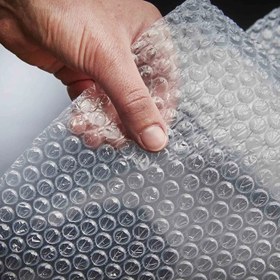
Bubble wrap is one of the most well-known and widely used types of protective packaging, used in almost all small and large industries. This product, commonly known as “bubble wrap,” is made of two or more layers of polyethylene with air bubbles trapped between them. These bubbles play the main role in protecting the product.
Due to its light weight, high impact resistance, good flexibility, and affordable price, bubble wrap is an ideal option for packaging sensitive products that are at risk of damage. Today, from packaging household appliances to the electronics industry and even home moving, many sectors rely on this highly practical material in one way or another.
In this article, we will fully examine all the important aspects of bubble wrap: how it is produced, its types, advantages, applications, important buying tips, and everything you need to know before choosing it.
What Is Bubble Wrap?
Bubble wrap is a type of plastic protective covering made from polyethylene, featuring regular and dense air bubbles on its surface. This structure allows the packaging to absorb impact and pressure, protecting the product against physical damage.
How It Works
- External pressure is applied.
- The air inside the bubbles acts as a shock absorber.
- The impact energy is reduced, and the item remains safe.
This simple yet highly effective feature has made bubble wrap one of the most popular protective packaging materials worldwide.
Key Features of Bubble Wrap
1. Protection Against Impact
The air bubbles act like natural shock absorbers.
Suitable for fragile products such as:
- Glass
- Ceramics
- Electronic products
- Cosmetics
- Sensitive industrial parts
2. High Flexibility
It can easily be wrapped around products with irregular shapes.
3. Very Light Weight
Unlike heavy packaging materials, it does not increase transportation costs significantly.
4. Moisture Resistance
It protects products against water, steam, and dust.
5. Cost-Effective Price
Bubble wrap is one of the most economical solutions for protective packaging.
Types of Bubble Wrap
This product is categorized based on the number of layers, bubble size, and application.
1. Based on the Number of Layers
Two-Layer Bubble Wrap
The most common type; suitable for packaging light to medium-weight products.
Three-Layer Bubble Wrap
Includes an additional layer for greater strength; suitable for heavier goods.
Five-Layer Bubble Wrap
Provides the highest level of resistance and protection; suitable for specialized industries and highly sensitive products.
2. Based on Bubble Size
Small Bubble Wrap
- Suitable for packing small items in cartons
- Suitable for packaging electronics and sensitive parts
Medium Bubble Wrap
- General-purpose use
- Suitable for household and industrial appliances
Large Bubble Wrap
- Suitable for moving homes
- Protects large and heavy products
- Can be used as void fill inside cartons
3. Based on Application
Anti-Static Bubble Wrap
- Suitable for electronic devices
- Prevents electrostatic discharge, or ESD
Industrial Bubble Wrap
- High thickness
- Resistant to tearing
Printed Bubble Wrap
- Can be customized with a logo
- Suitable for branding and retail packaging
Applications of Bubble Wrap
Bubble wrap is used in almost every industry. Some of the most common uses include:
Packaging Electronic Products
- Laptops
- Mobile phones
- Hard drives
- Industrial modules
Transportation and Logistics Industry
- Prevents product breakage during shipping
- Fills empty spaces inside cartons
Moving and Home Packaging
- Protects dishes
- Packages decorative items
- Protects televisions and sensitive appliances
Manufacturing Industries
- Packaging automotive parts
- Packaging plastic products
- Packaging medical and laboratory equipment
Creative Uses
- Handicrafts and DIY projects
- Making small shock absorbers
- Temporary thermal insulation
Advantages of Bubble Wrap
- Excellent protection against impact
- Lightweight and reduces shipping costs
- Waterproof and resistant to moisture penetration
- Can be produced in different sizes
- Affordable compared to other packaging methods
- Recyclable, if made from high-quality polyethylene
- Custom printing available
Disadvantages of Bubble Wrap
- Not biodegradable if not recycled
- May not have a luxurious appearance for certain premium packaging needs
- Bubbles may burst under extreme pressure
How Bubble Wrap Is Produced
The production process includes the following steps:
- Melting polyethylene
- Passing the material through forming rollers
- Creating regular air bubbles
- Bonding the layers together under pressure
- Cooling and converting it into ready-to-use rolls
High-quality raw materials and advanced machinery increase the strength and clarity of the final product.
Important Tips When Buying Bubble Wrap
When choosing the right product, pay attention to the following factors:
- Bubble size: small, medium, or large
- Number of layers: two, three, or five layers
- Thickness
- Tear resistance
- Intended application
- Quality of raw materials
- Transparency and uniformity of the bubbles
For postal packaging, three-layer bubble wrap is a suitable choice.
For moving homes, large bubble wrap offers the best performance.
Difference Between Bubble Wrap and Regular Packaging Nylon
Bubble Wrap
- Protects against impact
- Absorbs energy
- Suitable for fragile products
- Multi-layer structure
Regular Nylon Packaging
- Provides surface protection
- Suitable for covering products that do not require shock absorption
- Lower priceապարակ

 نیما پورنبی